Plant-Based Dietary Patterns Are Associated With Slower Biological Aging

The present study found that dietary patterns higher in plant foods and lower in animal products were consistently associated with decelerated DNA methylation-derived aging biomarkers, specifically GrimAge2 and PhenoAge.”

As people live longer, maintaining good health is becoming just as important as extending lifespan. While chronological age simply reflects the number of years a person has lived, biological age measures how well the body is functioning and may better predict future health. Researchers have increasingly focused on lifestyle factors that may slow biological aging, and diet has emerged as one of the most promising.

A research paper published in Volume 18 of Aging titled “Plant-based dietary patterns are associated with slower epigenetic aging,” investigated whether diets emphasizing plant foods are associated with slower biological aging as measured by DNA methylation-based epigenetic clocks.

Looking Beyond Chronological Age

Not everyone ages at the same rate. While two individuals may share the same chronological age, one may remain healthier and more resilient than the other because their biological age is lower.

One of the most widely used approaches involves measuring DNA methylation, a natural chemical modification of DNA that changes throughout life. These patterns can be analyzed using so-called epigenetic clocks, including GrimAge2, PhenoAge, and HannumAge, which have been shown to predict future risks of chronic disease, disability, and mortality more accurately than chronological age alone.

Previous studies have suggested that healthy dietary patterns may help slow epigenetic aging. However, it remained unclear whether plant-based diets in people who do not necessarily follow vegetarian or vegan lifestyles are associated with these biological aging markers.

Comparing Different Types of Plant-Based Diets

To investigate this question, the researchers analyzed data from two large U.S. population studies: the Atherosclerosis Risk in Communities (ARIC) Study and the National Health and Nutrition Examination Survey (NHANES). Together, the analysis included more than 4,800 middle-aged and older adults.

Rather than simply comparing vegetarians with non-vegetarians, the investigators evaluated four different plant-based dietary patterns:

  • Overall Plant-Based Diet Index (PDI), which rewards greater intake of plant foods and lower intake of animal foods.
  • Provegetarian Diet Index, which emphasizes relatively higher consumption of plant foods while reducing animal products.
  • Healthy Plant-Based Diet Index (healthy PDI), which favors nutrient-rich foods such as fruits, vegetables, whole grains, legumes, and nuts.
  • Unhealthy Plant-Based Diet Index (unhealthy PDI), which reflects greater intake of refined grains, sugary foods, and other less nutritious plant-derived foods.

The researchers then examined whether these dietary patterns were associated with three widely used measures of epigenetic aging after accounting for age, lifestyle, socioeconomic factors, smoking, alcohol use, physical activity, and other potential confounding variables.

Healthier Plant-Based Diets Were Linked to Slower Epigenetic Aging

The study found that greater adherence to overall plant-based diets, provegetarian diets, and healthy plant-based diets was consistently associated with slower biological aging.

Participants with higher scores for the overall plant-based diet and provegetarian diet showed slower GrimAge2 and PhenoAge acceleration. Higher adherence to the overall plant-based diet was also associated with slower HannumAge. Healthy plant-based diets were linked to slower GrimAge2, although the associations with the other epigenetic clocks were less consistent.

In contrast, unhealthy plant-based diets showed no significant association with any of the biological aging measures.

These findings suggest that the quality of plant foods matters. Simply consuming fewer animal products may not be enough if the diet relies heavily on refined carbohydrates, added sugars, and other less nutritious plant-based foods.

How Diet Influences Biological Aging

Although this study was not designed to identify the underlying biological mechanisms, the authors discuss several possibilities.

Plant-based diets are typically rich in dietary fiber, vitamins, minerals, antioxidants, and other bioactive compounds that are thought to help reduce oxidative stress and chronic inflammation, two processes believed to contribute to biological aging. These diets have also been associated with improved blood pressure, healthier cholesterol levels, better glucose regulation, and reduced risk of cardiovascular disease.

Over time, these favorable metabolic effects may influence DNA methylation patterns, resulting in slower progression of biological aging as measured by epigenetic clocks.

The researchers also note that plant-based diets are not all alike. Diets centered on whole, minimally processed plant foods appear to offer greater health benefits than those dominated by refined grains, sugary beverages, and highly processed plant-derived products.

What Makes This Study Different?

Unlike many previous studies that focused on vegetarian or vegan diets, this investigation evaluated plant-based eating patterns in a largely non-vegetarian population.

This distinction is important because many people adopt diets that increase plant food consumption without completely eliminating animal products. The findings suggest that even moderate shifts toward healthier plant-based eating patterns may be associated with measurable differences in biological aging.

Another strength of the study is its use of two large, independent U.S. cohorts and multiple validated epigenetic aging measures, increasing confidence that the observed associations were consistent across different populations.

Looking Ahead

The authors conclude that dietary patterns emphasizing healthy plant foods and limiting animal products are associated with slower epigenetic aging. While the study cannot establish cause and effect, it adds to growing evidence that long-term dietary habits may influence biological processes linked to aging and future health.

Additional research, including long-term intervention studies, will be needed to determine whether adopting healthier plant-based diets can directly slow biological aging over time. As scientists continue exploring the relationship between nutrition and longevity, this study suggests that everyday food choices may play an important role in promoting healthier aging at the molecular level.

Click here to read the full research paper published in Aging.

___

Aging is indexed by PubMed/Medline (abbreviated as “Aging (Albany NY)”), PubMed CentralWeb of Science: Science Citation Index Expanded (abbreviated as “Aging‐US” and listed in the Cell Biology and Geriatrics & Gerontology categories), Scopus (abbreviated as “Aging” and listed in the Cell Biology and Aging categories), Biological Abstracts, BIOSIS Previews, EMBASE, META (Chan Zuckerberg Initiative) (2018-2022), and Dimensions (Digital Science).

Click here to subscribe to Aging publication updates.

For media inquiries, please contact [email protected].

Do Exergames Improve Mood and Mental Well-Being in Older Adults?

The results indicated that exergames positively impacted mood in older adults, reducing tension, anger, fatigue, confusion, and depressive symptoms, while promoting engagement, immersion, and socialization.”

As people live longer, maintaining mental well-being has become an increasingly important part of healthy aging. While regular physical activity is known to support both physical and psychological health, many older adults face barriers that make traditional exercise programs difficult to sustain. Researchers have therefore been exploring new approaches that combine physical activity with enjoyment, social interaction, and cognitive engagement.

A review published in Volume 18 of Aging titled “What are the effects of exergames on the mood states of older people? A systematic review of experimental studies, impacts on mental health and recommendations,” examined whether exergames—video games that require physical movement to play—can improve mood and mental health in older adults. The study was led by authors from the Laboratory of Sport and Exercise Psychology, Human Movement Sciences Graduate Program, College of Health and Sport Science of the Santa Catarina State University (UDESC) in Florianópolis, Brazil

Turning Exercise Into Play

Exergames combine exercise with interactive digital gaming. Unlike traditional video games that are played while sitting, exergames require players to move their bodies to control gameplay. Popular examples include Nintendo Wii Fit, Wii Sports, Kinect Sports, Dance Central, and virtual reality-based exercise platforms.

These systems have attracted growing interest among researchers because they may help overcome some of the challenges that limit exercise participation among older adults. By incorporating game-like rewards, social interaction, and enjoyable activities, exergames may increase motivation and long-term adherence to physical activity programs.

Previous research has already suggested that exergames can improve physical fitness, balance, mobility, and cognitive function. However, less was known about their effects on mood and emotional well-being in older populations.

Reviewing the Evidence

To better understand these effects, the researchers conducted a systematic review following PRISMA guidelines and registered the study in PROSPERO before completing the analysis. They searched four major scientific databases and identified 651 studies. After applying strict eligibility criteria, nine experimental studies involving 325 participants aged 61 to nearly 79 years were included in the final review.

The studies examined a wide variety of exergaming interventions, including dance-based games, sports simulations, balance-training activities, virtual reality cycling, and cognitive-motor training programs. Intervention lengths ranged from a single session to multi-week programs lasting up to 36 sessions.

Improvements Across Multiple Mood States

The review found that exergames generally produced positive effects on mood. Six of the nine studies reported significant improvements in mood-related outcomes, while the remaining studies reported neutral findings. Importantly, none of the included studies found evidence that exergames worsened mood or mental health.

Several studies reported reductions in:

  • Depressive symptoms
  • Tension
  • Anger
  • Fatigue
  • Mental confusion

At the same time, participants frequently reported improved overall mood and emotional well-being.

One study found that a single Wii-based exercise session produced immediate positive mood changes. Another reported that exergames reduced depression scores more effectively than conventional physical activity programs.

More Than Just Exercise

The researchers suggest that the benefits of exergames extend beyond physical activity alone.

Unlike many traditional exercise programs, exergames combine movement with mental stimulation and interactive challenges. Players must make decisions, react to visual cues, solve problems, and coordinate movements in real time. This cognitive engagement may contribute to positive emotional responses and increased enjoyment during exercise.

Social interaction may also play a major role. Several studies reported that exergames encouraged communication, cooperation, and shared experiences among participants. Some older adults described the activities as enjoyable opportunities to connect with family members and friends. Others reported that the games reduced boredom and created a sense of immersion that made exercise feel less like a chore.

One group of participants even compared exergaming to an “emotional therapy” experience because of its positive effects on mood and well-being.

Reducing Depressive Symptoms

One of the most consistent findings involved depression-related outcomes.

Several studies specifically examined depressive symptoms in older adults. While not all studies reached statistical significance, most reported a favorable trend, and one study demonstrated a significant reduction in depression scores among participants who used Nintendo Wii Fit-based exergames. In that study, the benefits were greater than those observed with conventional physical activity alone.

Given that depression, loneliness, and social isolation are common concerns among aging populations, these findings suggest that exergames may offer a valuable complementary approach to supporting mental health.

Why Exergames May Be Particularly Appealing for Older Adults

One practical advantage of exergames is accessibility.

Many systems can be used at home, reducing barriers such as transportation difficulties, mobility limitations, weather conditions, or lack of access to exercise facilities. This flexibility may be particularly important for older adults who have difficulty participating in traditional fitness programs.

The review also highlighted another important factor: adherence. Because exergames are interactive and enjoyable, participants may be more likely to continue exercising over time. Long-term adherence is often one of the greatest challenges in health promotion programs, making enjoyment a critical component of successful interventions.

Recommendations for Practice

Based on the available evidence, the authors suggest that exergames can serve as a useful alternative or complement to traditional exercise programs for older adults. They recommend adapting gameplay to individual preferences and abilities, incorporating appropriate rest periods, and ensuring that exercise intensity remains safe while still providing meaningful health benefits.

The researchers also note that exergames may be particularly useful in residential care settings, rehabilitation programs, community centers, and home-based health interventions.

Looking Ahead

The authors conclude that exergames represent a promising tool for promoting both physical activity and psychological well-being in older adults. Across the studies reviewed, exergames consistently demonstrated positive effects on mood while also encouraging social interaction, cognitive engagement, and enjoyment.

Although larger and longer-term studies are still needed, the current evidence suggests that interactive exercise games may help address some of the emotional and mental health challenges associated with aging. By combining movement, technology, and social engagement, exergames may offer an innovative way to support healthy aging and improve quality of life in older populations.

Overall, the findings suggest that staying active does not always require a gym or structured exercise class. For many older adults, stepping into a virtual bowling alley, dance floor, or sports arena may provide meaningful benefits for both body and mind.

Click here to read the full review published in Aging.

___

Aging is indexed by PubMed/Medline (abbreviated as “Aging (Albany NY)”), PubMed CentralWeb of Science: Science Citation Index Expanded (abbreviated as “Aging‐US” and listed in the Cell Biology and Geriatrics & Gerontology categories), Scopus (abbreviated as “Aging” and listed in the Cell Biology and Aging categories), Biological Abstracts, BIOSIS Previews, EMBASE, META (Chan Zuckerberg Initiative) (2018-2022), and Dimensions (Digital Science).

Click here to subscribe to Aging publication updates.

For media inquiries, please contact [email protected].

EDITORS’ CHOICE: Epigenetic Aging Biomarkers Respond to Exercise and Dietary Intervention

Each month, we will highlight a paper published in Aging chosen as the “Editors’ Choice.” These selections are handpicked by our editors and accompanied by a brief summary, showcasing research with significant impact and novel insights in aging and age-related diseases.

This exploratory randomized controlled trial, titled “Short-term responsiveness of DNA methylation–based aging biomarkers to a multimodal intervention comprising exercise and dietary guidance involving daily consumption of yogurt containing Bifidobacterium longum BB536: an exploratory randomized controlled trial,” investigated whether a 12-week lifestyle intervention combining exercise, dietary guidance, and daily consumption of yogurt containing Bifidobacterium longum BB536 could influence biological aging.

The researchers found a significant slowing of the DNA methylation-based pace of aging measure DunedinPACE in overweight men aged 50 and older, suggesting that feasible lifestyle changes may be associated with short-term improvements in selected epigenetic aging biomarkers.

Click here to read the full research paper published in Volume 18 of Aging.

______

To learn more about the journal, please visit www.Aging-US.com​​ and connect with us on social media:

Click here to subscribe to Aging publication updates.

For media inquiries, please contact [email protected].

Blood Tests and Gut Bacteria May Help Reveal Your Biological Age

Biological age reflects the current state of the body, considering the aspects of lifestyle, environment, and hereditary component.”

Why do some people appear to age faster than others, even when they are the same age? Researchers increasingly believe that chronological age tells only part of the story. Biological age attempts to capture how well the body’s systems are functioning and may provide a more meaningful picture of overall health.

A research paper on this topic was published in Volume 18 of Aging titled “Blood biochemical and gut microbiotic neural network models forecasting human biological age.” In the study, Russian researchers explored whether information from routine blood tests and the gut microbiome could be used to estimate biological age.

Looking Beyond the Calendar

For decades, researchers have searched for reliable ways to measure biological aging. Some of the most well-known aging clocks rely on DNA methylation patterns, but these approaches often require specialized laboratory equipment and can be difficult to implement in routine clinical practice.

The researchers aimed to develop alternatives to DNA methylation clocks using blood biomarkers and gut microbiome characteristics. They investigated whether blood chemistry measurements and gut microbiome profiles could be used to estimate biological age with high accuracy.

To do this, they analyzed data from 637 adults ranging in age from 18 to 99 years, combining laboratory blood measurements with microbiome sequencing data obtained from stool samples.

Building an Aging Clock From Blood Markers

The first model focused on biochemical indicators measured in blood. After evaluating dozens of laboratory parameters, the researchers identified a small set of biomarkers that showed strong associations with age.

Three markers were important for both men and women:

  • Cystatin C
  • Insulin-like growth factor 1 (IGF-1)
  • Dehydroepiandrosterone sulfate (DHEAS)

Additional sex-specific markers were incorporated for each group. In women, the model included homocysteine, urea, glucose, and zonulin. In men, the model included HbA1c, NT-proBNP, free testosterone, and high-sensitivity C-reactive protein (hs-CRP).

Using these biomarkers as inputs, the team trained neural-network models designed to predict biological age. The resulting models predicted age with an average error of roughly six years and showed strong agreement with chronological age.

The Aging Signature Hidden in the Gut Microbiome

The second model focused on the trillions of microorganisms that inhabit the human digestive tract.

Previous studies have shown that the gut microbiome changes with age, leading researchers to investigate whether these microbial shifts could serve as indicators of biological aging. Some bacterial species become more abundant with age, while others decline. Because the microbiome influences metabolism, immune function, inflammation, and gut barrier integrity, researchers have increasingly viewed it as a potential window into the aging process.

After analyzing microbial sequencing data, the investigators selected 45 bacterial species that were associated with age and used them to train a microbiome-based aging model.

Despite relying on a very different set of biological measurements, the microbiome-based model also showed strong predictive performance. Its estimates closely tracked chronological age and showed substantial agreement with both the blood-based model and an established aging measure known as PhenoAge.

Making Artificial Intelligence Explainable

Because neural networks are often difficult to interpret, the researchers also examined which variables contributed most to the predictions. To do this, they used an explainable AI approach called SHAP (SHapley Additive exPlanations). This method allowed them to determine how much each blood biomarker or bacterial species contributed to an individual’s biological age estimate.

DHEAS, a hormone known to decline with age, emerged as one of the most influential predictors of biological age in both sexes, with its contribution varying substantially across age groups. In older individuals, markers such as cystatin C and NT-proBNP became particularly important indicators of aging-related physiological changes.

The microbiome model showed a more complex pattern. Rather than relying on a single dominant bacterial species, the model incorporated information from dozens of microbes whose collective behavior reflected age-related shifts in gut health and metabolism.

What Changes in the Body Are Being Captured?

According to the authors, the blood-based model appears to capture aging-related changes across multiple biological systems, including metabolism, hormone regulation, inflammation, cardiovascular health, and kidney function. Age-related increases in glucose, HbA1c, hs-CRP, homocysteine, and NT-proBNP were associated with biological aging, while declines in IGF-1, DHEAS, and testosterone reflected reduced anabolic and endocrine function.

The microbiome model identified a different but interconnected aspect of aging. As people grow older, some beneficial bacteria involved in producing metabolites such as butyrate and acetate decline, while certain potentially harmful or inflammatory species become more abundant. These microbial shifts can influence immune responses, metabolic regulation, and intestinal barrier function.

The researchers suggest that common biological pathways may link the two models, including chronic low-grade inflammation, metabolic dysregulation, insulin resistance, and changes in gut barrier integrity. Rather than being independent processes, these mechanisms may interact to drive biological aging throughout the body.

Why These Findings Matter

A practical advantage of the study is that biological age could be estimated using a relatively small number of biomarkers. The blood-based model required only seven laboratory measurements, while the microbiome model relied on 45 bacterial species. Both approaches achieved strong predictive accuracy while remaining more interpretable than many previous aging clocks.

Although additional validation in diverse populations will be needed, these tools could eventually help researchers monitor the effects of lifestyle interventions, medical treatments, or anti-aging therapies. Because the models provide information about which factors contribute most to an individual’s biological age estimate, they may also offer insights into the specific biological processes driving accelerated aging.

Looking Ahead

The authors conclude that both blood biochemistry and gut microbiome composition contain valuable information about biological aging. Their neural-network models achieved strong predictive performance and showed substantial agreement with each other, suggesting that different aspects of human biology may converge on common aging pathways.

As biological age becomes an increasingly important concept in longevity research and preventive medicine, practical and interpretable aging clocks may help clinicians move beyond simply counting years and toward understanding how well the body is truly aging. The findings highlight how advances in laboratory medicine, microbiome research, and artificial intelligence may help researchers better understand why people age differently and how healthy aging can be measured more precisely.

Click here to read the full research paper published in Aging.

___

Aging is indexed by PubMed/Medline (abbreviated as “Aging (Albany NY)”), PubMed CentralWeb of Science: Science Citation Index Expanded (abbreviated as “Aging‐US” and listed in the Cell Biology and Geriatrics & Gerontology categories), Scopus (abbreviated as “Aging” and listed in the Cell Biology and Aging categories), Biological Abstracts, BIOSIS Previews, EMBASE, META (Chan Zuckerberg Initiative) (2018-2022), and Dimensions (Digital Science).

Click here to subscribe to Aging publication updates.

For media inquiries, please contact [email protected].

EDITORS’ CHOICE: Association of epigenetic age acceleration with MRI biomarkers of aging and Alzheimer’s disease neurodegeneration

Each month, we will highlight a paper published in Aging-US chosen as the “Editors’ Choice.” These selections are handpicked by our editors and accompanied by a brief summary, showcasing research with significant impact and novel insights in aging and age-related diseases.

In the research paper, titled “Association of epigenetic age acceleration with MRI biomarkers of aging and Alzheimer’s disease neurodegeneration,” researchers investigated whether epigenetic clocks of biological aging are associated with MRI markers of brain aging and Alzheimer’s disease-related neurodegeneration in 1,196 older women. While none of the five epigenetic clocks examined were linked to accelerated overall brain aging, one measure—AgeAccelGrim2—was associated with MRI patterns related to neurodegeneration.

The findings suggest this relationship was largely driven by DNA methylation markers linked to smoking history and changes in frontal and temporal brain regions rather than areas typically affected early in Alzheimer’s disease.

Overall, the study indicates that epigenetic aging and brain aging may reflect different aspects of the aging process, while highlighting the potential role of smoking-related biological aging in increasing dementia risk.

Click here to read the full research paper published in Aging-US.

______

To learn more about the journal, please visit www.Aging-US.com​​ and connect with us on social media:

Click here to subscribe to Aging-US publication updates.

For media inquiries, please contact [email protected].

Glutathione Pathway May Hold the Key to Safer Anti-Obesity Interventions

Despite its anti-obesity effects, BSO did not exert any detrimental effects on bones.”

Efforts to improve metabolic health through dietary interventions often come with trade-offs. Some approaches that reduce obesity or extend lifespan in laboratory models can also negatively affect other tissues, including bone.

One example is sulfur amino acid restriction (SAAR), a diet low in methionine and lacking cysteine that has repeatedly shown strong anti-obesity effects in animal studies. However, despite these promising metabolic benefits, SAAR has also been associated with reduced bone mineral density, weaker bones, and increased marrow fat accumulation.

This has led researchers to ask whether the metabolic benefits of SAAR can be separated from its harmful skeletal effects.

A new research paper was published in Volume 18 of Aging-US, titled “D, L-Buthionine-(S, R)-sulfoximine recapitulates the anti-obesity effects of sulfur amino acid restriction without the associated deleterious effects on bone in male mice.” The researchers investigated whether those metabolic benefits could be achieved without the same harmful effects on bone. The study was led by first author Naidu B. Ommi and corresponding author Sailendra N. Nichenametla from the Orentreich Foundation for the Advancement of Science Inc., in collaboration with Dwight A. L. Mattocks from the same institution and Mark C. Horowitz from the Yale University School of Medicine.

Understanding the Trade-Off

SAAR has attracted attention because of its strong anti-obesity effects in laboratory animals. But the same diet can also weaken the skeleton. In previous studies, SAAR reduced fat mass while increasing bone marrow adipocytes and decreasing bone strength. This complicates the idea of using SAAR as a long-term metabolic intervention without first understanding why those bone-related side effects occur.

The researchers focused on cysteine restriction and glutathione metabolism. Cysteine is a sulfur-containing amino acid and a key building block of glutathione, an important molecule involved in antioxidant defense, redox balance, and cell signaling. Because SAAR removes cysteine from the diet, the authors wanted to determine whether cysteine restriction was responsible not only for the anti-obesity effects, but also for bone-related side effects.

Testing a Different Approach

To investigate this, the team studied obese male mice fed high-fat diets under different conditions. One group received a control diet, another received the SAAR diet, a third received the SAAR diet with N-acetylcysteine (NAC), and another received the control diet with D, L-buthionine-(S, R)-sulfoximine (BSO), a compound that inhibits glutathione biosynthesis.

The results showed a clear difference between the dietary intervention and the pharmacological approach. Mice on the SAAR diet had lower trabecular and cortical bone mineral density, fewer osteoblasts, reduced bone strength, and more marrow adipocytes. However, mice treated with BSO did not show these harmful skeletal effects, even though BSO reproduced several anti-obesity effects seen with SAAR.

NAC also reversed the bone-related changes caused by SAAR, suggesting that cysteine restriction was a major driver of the skeletal side effects.

Bone, Fat, and Cysteine Restriction

One of the most important parts of the study is the connection between bone-forming cells and marrow fat. Osteoblasts, which build bone, and marrow adipocytes, which store fat inside bone marrow, can arise from related skeletal progenitor cells. When more of these cells shift toward fat formation, bone formation can decline.

In the SAAR-fed mice, the researchers observed fewer osteoblasts, weaker bone structure, and more marrow fat. When NAC was added, many of these effects were reversed. This supported the idea that cysteine restriction plays a central role in the bone loss associated with SAAR.

BSO, however, behaved differently. Although it affected body composition, it did not reduce bone mineral density, weaken mechanical strength, or increase marrow adipocytes in the same way as SAAR.

Why BSO May Act Differently

The finding that BSO did not harm bone was especially important. The authors suggest that this may be due to tissue-specific effects. In other words, BSO may lower glutathione more strongly in some tissues than in others. The paper notes that bone marrow may be more resistant to glutathione depletion by BSO than tissues such as the liver or kidney.

This could help explain why BSO was able to produce anti-obesity effects without reproducing the bone damage seen with SAAR. Still, the authors were careful to emphasize that more research is needed before BSO can be considered for broader therapeutic use. The authors also note that long-term studies will be necessary to better understand potential toxicity and tissue-specific effects.

Looking Ahead

This study is preclinical and was conducted in male mice, so the findings cannot yet be applied directly to humans. Future studies will need to examine long-term safety, effects in female mice, tissue-specific responses, optimal dosing, and possible off-target effects.

Still, the findings point to an important idea: the metabolic benefits of sulfur amino acid restriction may be separable from its harmful effects on bone. If researchers can better understand that separation, it may become possible to design safer interventions for obesity, aging, and metabolic health.

Conclusion

This study provides new insight into how sulfur amino acid metabolism, cysteine restriction, glutathione biology, obesity, and bone health are connected. By showing that BSO can reproduce anti-obesity effects without the bone deterioration seen with SAAR, the findings point toward a possible new direction for future research in nutrition, aging, and metabolic disease.

This study provides the first evidence that CysR mediates the adverse effects of the SAAR diet on bone health, while BSO induces beneficial changes in body composition without detectable adverse effects on bone.

Click here to read the full research paper published in Aging-US.

___

Aging-US is indexed by PubMed/Medline (abbreviated as “Aging (Albany NY)”), PubMed CentralWeb of Science: Science Citation Index Expanded (abbreviated as “Aging‐US” and listed in the Cell Biology and Geriatrics & Gerontology categories), Scopus (abbreviated as “Aging” and listed in the Cell Biology and Aging categories), Biological Abstracts, BIOSIS Previews, EMBASE, META (Chan Zuckerberg Initiative) (2018-2022), and Dimensions (Digital Science).

Click here to subscribe to Aging-US publication updates.

For media inquiries, please contact [email protected].

Aging-US Supports the NOVA Conference 2026

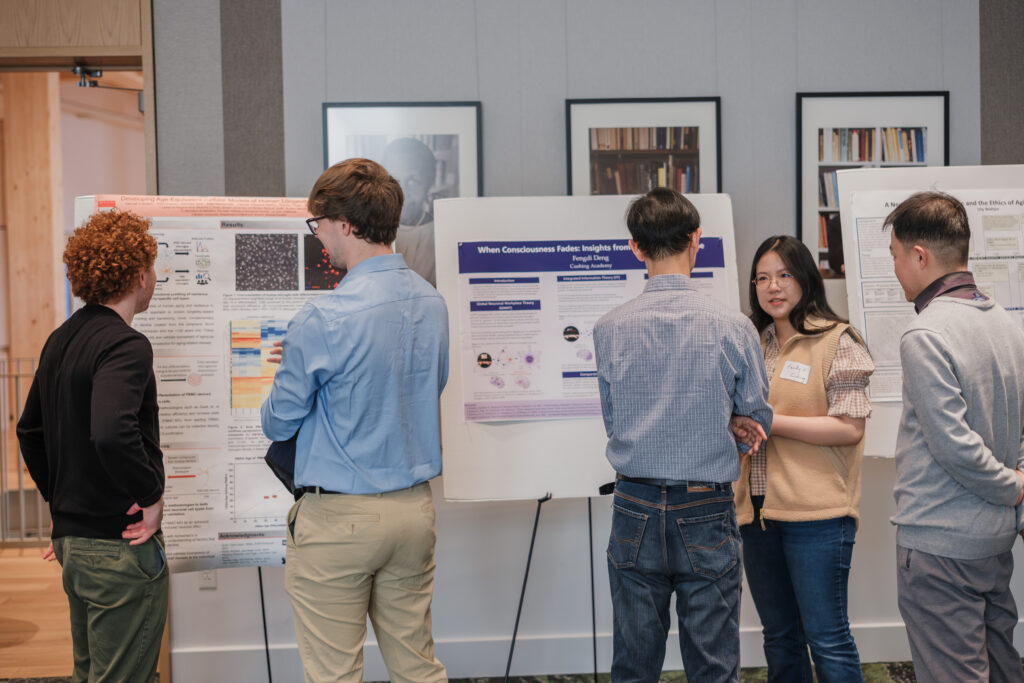
Aging-US proudly sponsored the NOVA (Neuroscience of Vitality and Aging) Conference, hosted by the Aging Initiative on Saturday, April 25 in Boston, MA.

Highlights from the NOVA (Neuroscience of Vitality and Aging) Conference

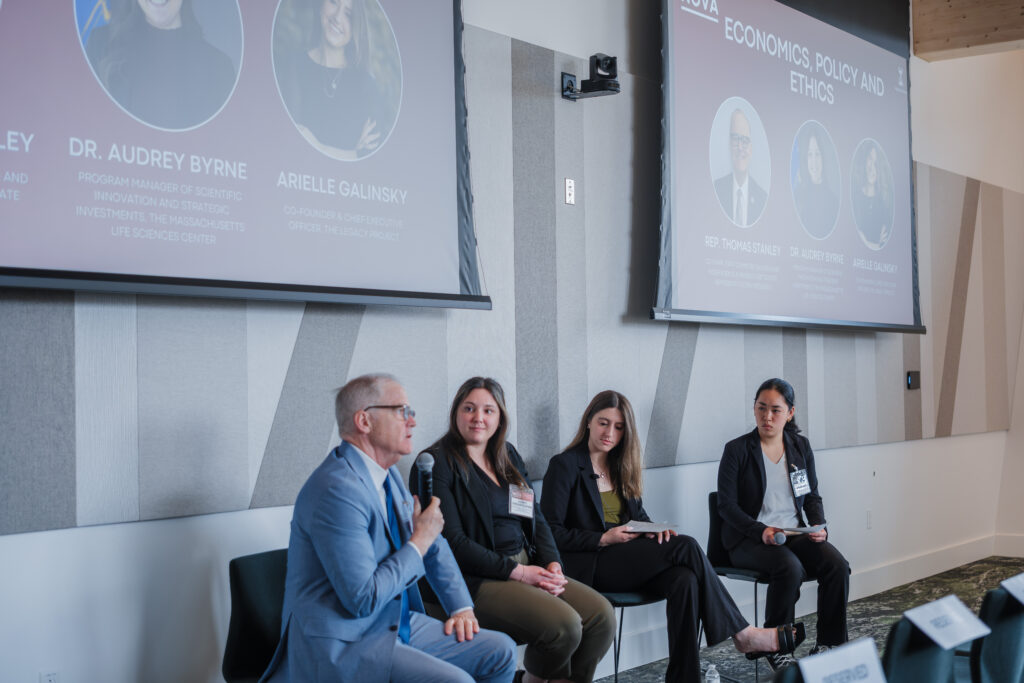
On April 25, 2026, the NOVA (Neuroscience of Vitality and Aging) Conference brought together a dynamic and interdisciplinary audience in Boston, MA. With over 600 attendees spanning students, researchers, clinicians, investors, and patient advocates, the event highlighted both the complexity of brain aging and the growing momentum behind efforts to better understand and treat neurodegenerative diseases.

In the opening keynote, Dr. Joanne Smikle of the American Brain Foundation emphasized the need to remember the “why” behind this research. She highlighted the power of intentional collaboration and the belief that breakthroughs in one neurological disease may translate to others. Even small monthly contributions as little as $10.00 can collectively drive meaningful progress.

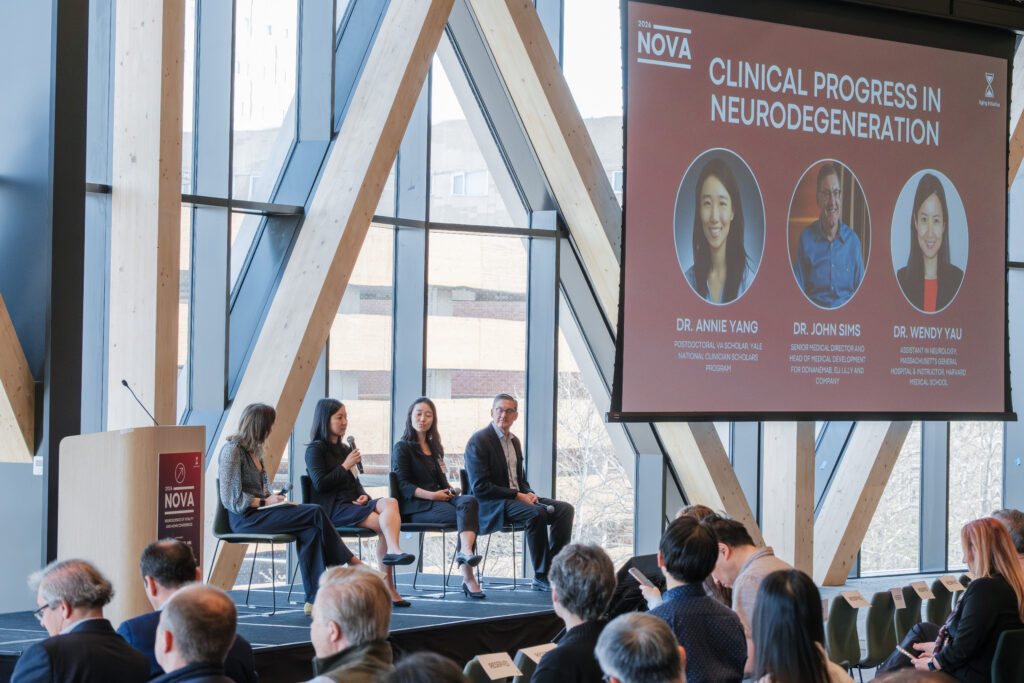
Clinical Progress in Neurodegeneration

Dr. John Sims of Eli Lilly & Company, noted that traditional measures, such as clinical dementia ratings, may be too blunt to capture early cognitive decline. Emerging approaches, such as learning-based assessments and digital cognitive tools, aim to detect subtle changes sooner and more accurately.

Studying the Biology of Brain Aging with New Tools

This breakout session showcased cutting-edge tools transforming how scientists study the aging brain.  Researchers included Dr. Stuart Lipton from Scripps Research, Dr. Eric Sun from MIT, Dr. Jiang He from Vizgen, Dr. Ed Boyden from the McGovern Institute at MIT, and Dr. David Salat from Harvard Medical School. Overall, the researchers are focused on causal models, the importance of needing more high-quality data, and spatial mapping technologies to better understand cellular interactions and disease mechanisms. Additionally, continued advances in molecular imaging, organoid development, and neuroimaging enable more detailed insights into how the brain changes over time. The speakers did stress the importance of rigor (particularly in validating experimental models and ensuring data quality) to draw any meaningful conclusions.

Mainstage Presentations

These presentations highlighted both the promise and challenges of advancing longevity science. Raiany Romanni-Klein of Amaranth emphasized a critical paradox: while human lifespan continues to increase, many individuals spend more years in declining health. From an investment perspective, Michael Reisman of Centerview Partners and Second Century Foundation noted that longevity science is increasingly attracting attention from the financial sector. While past biotech ventures in aging have seen mixed outcomes, the field continues to evolve, with increasing focus on translating biological insights into real-world interventions.

Neurotechnology and Brain-Computer Interfaces

One of the most forward-looking discussions centered on neurotechnology and brain-computer interfaces (BCIs), panelists included Christian Howell of Cognito Therapeutics, Dr. Oliver Armitage from Axoft, Dr. Daniel Rizzuto of Nia Therapeutics, Dr. Alan Mardinly from Science Corp., and Dr. Leigh Hochberg from BrainGate and Massachusetts General Hospital.

The speakers described emerging approaches that use sensory stimulation or implantable devices to preserve or restore brain function. Innovations in this space are already demonstrating tangible benefits. Early studies suggest that closed-loop neurostimulation systems may significantly improve memory performance, while implantable BCIs are enabling patients with severe impairments to communicate and interact with their environment. Despite these advances, challenges remain, including regulatory pathways, reimbursement models, the need for scalable and  patient-centered deployment, and collaboration in terms of sharing ideas between industries and regulators, in technology, and throughout our community.

Still, the outlook is promising. As Dr. Hochberg noted, the field is moving quickly, envisioning a future where, in just ten years, patients with conditions such as ALS may retain the ability to communicate through advanced neurotechnologies.

Investment Landscape

The conference also explored the evolving investment landscape in aging and longevity science. Speakers of this panel included Dr. Alex Colville of age1, Dr. Daniel Carbonero from PsyMed Ventures, Dr. Jarod Rutledge from Starbloom Capital, and Karen Harris from the Alzheimer’s Drug Discovery Foundation.

Although previous biotech efforts have yielded mixed results, confidence is growing that targeting the biology of aging is both scientifically feasible and financially promising. Investors emphasized the importance of strong founding teams and highlighted areas of interest such as neuroinflammation, genetic medicine, and biomarker development. Blood-based biomarkers, in particular, were identified as critical tools for improving clinical trial design and patient stratification.

Repair and Regeneration

Panelists of this important discussion included Dr. Mark Tomishima of BlueRock Therapeutics, Dr. Jean Hebert from ARPA-H, Dr. Nabiha Saklayen of Cellino, Dr. Parastoo Khoshakhlagh of GC Therapeutics, and Dr. Abdulkader Rahmo from SMS Biotech, Inc.

Speakers on repair and regeneration highlighted the potential of cell and tissue-based therapies to address age-related decline. Advances in automation, scalability, and precision are making neuroreplacement strategies more feasible, though cost and access remain significant challenges, and prevention remains key.

Equally important was the focus on patient advocacy. Speakers stressed the need to incorporate patient and caregiver perspectives into research and clinical trials, ensuring that scientific progress aligns with real-world needs and experiences.

Patient Advocacy

A powerful breakout session on patient advocacy emphasized the importance of integrating lived experiences into research and clinical development.

Kevin Rhodes of the Association for Frontotemporal Degeneration (AFTD), who is living with frontotemporal dementia, highlighted the session as he underscored the challenges of diagnosis and access. With advanced imaging often required for confirmation, many patients face barriers to timely diagnosis. He emphasized the need for stronger connections between patients and biotechnology companies, enabling researchers to better understand patient needs while helping individuals identify and access clinical trials.

The perspectives discussed overall highlighted a critical shift in the field: advancing brain aging research will require not only scientific innovation, but also meaningful engagement with the individuals most directly affected.

Looking Ahead

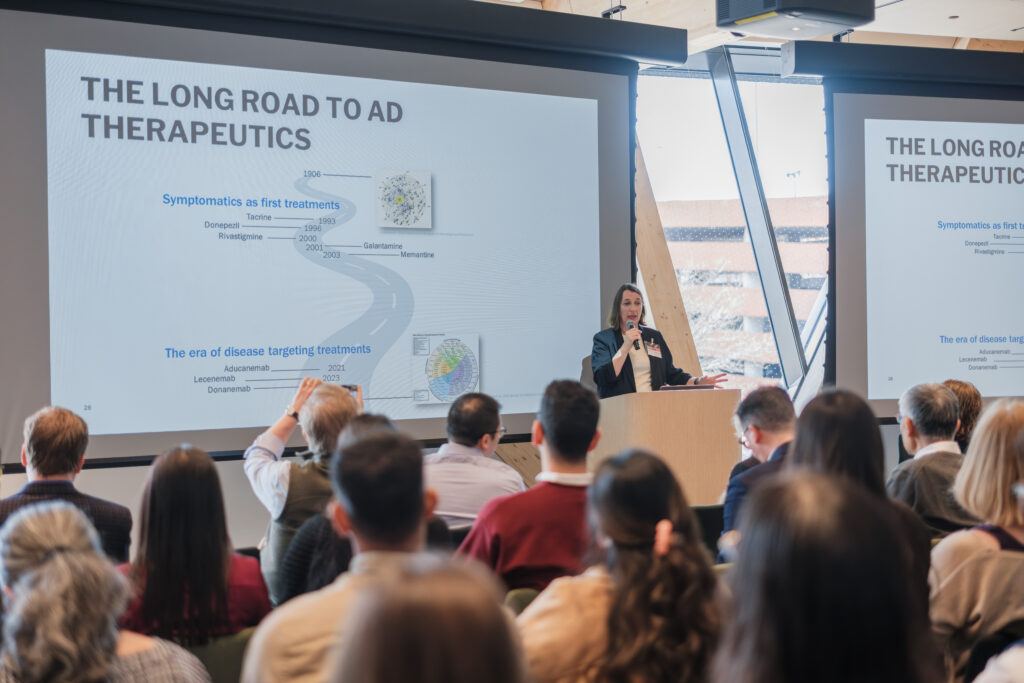
The conference concluded with a keynote by Dr. Dennis Selkoe from the Ann Romney Center for Neurologic Diseases, discussing the biology of Alzheimer’s disease and ongoing efforts to target amyloid-related mechanisms through immunotherapy. With millions affected worldwide, the urgency of advancing effective treatments remains clear.

Next year’s event will be the Cardiovascular Aging Research & Development (CARD) Symposium on May 6, 2027, with Opening Keynote Speaker Dr. John Maraganore of Alnylam.

Overall, the NOVA Conference highlighted a field that is rapidly evolving and is driven by technological innovation, interdisciplinary collaboration, and a shared commitment to improving outcomes for aging populations. As research continues to advance, the integration of science, investment, and patient engagement will be essential to translating discoveries into meaningful impact.

Our Continued Commitment to Advancing Aging Research

Founded in 2008 by visionary scientists—the late Dr. Mikhail (Misha) Blagosklonny, the late Dr. Judith Campisi, and Dr. David SinclairAging-US was created as a journal by scientists, for scientists, to publish innovative ideas and studies in the rapidly developing field of aging research. Since then, it has remained dedicated to advancing the understanding of aging and age-related diseases.

Supporting initiatives such as the NOVA Conference reflects our belief that progress in aging science depends on collaboration, mentorship, and the open exchange of ideas between academia, industry, and young innovators. By investing in the next generation of researchers, we aim to accelerate discoveries that will lead to longer, healthier lives for all.

Sponsoring this initiative is more than an investment, it’s a commitment to the future of aging science and to the vision of a world where longevity and well-being advance hand in hand.

___

Aging-US is indexed by PubMed/Medline (abbreviated as “Aging (Albany NY)”), PubMed CentralWeb of Science: Science Citation Index Expanded (abbreviated as “Aging‐US” and listed in the Cell Biology and Geriatrics & Gerontology categories), Scopus (abbreviated as “Aging” and listed in the Cell Biology and Aging categories), Biological Abstracts, BIOSIS Previews, EMBASE, META (Chan Zuckerberg Initiative) (2018-2022), and Dimensions (Digital Science).

Click here to subscribe to Aging-US publication updates.

For media inquiries, please contact [email protected].

P38 MAPK–Driven Epigenetic Regulation Identified as a Key Mechanism in Lung Fibrosis

Pharmacological inhibition of p38 MAPK significantly reduced α-SMA and Col3A1 expression in both TGF-β1-stimulated fibroblasts and primary IPF cells. Mechanistically, TGF-β1-induced expression of α-SMA and Col3A1 was mediated by histone H4K16 acetylation (H4K16ac), which was enriched at gene promoter regions and attenuated by p38 MAPK inhibition.”

Aging has long been linked to a range of biological processes, including cellular senescence, epigenetic changes, and chronic tissue remodeling. Yet, these explanations often describe what happens during aging rather than why certain age-related diseases, such as fibrosis, continue to progress over time. In conditions like idiopathic pulmonary fibrosis (IPF), a key question remains: what drives the persistent activation of cells that should normally return to a resting state after injury? Increasing attention has turned to the interaction between cellular signaling pathways and epigenetic regulation as a potential explanation. Understanding how these processes work together to control gene expression and cell behavior is becoming an important focus in uncovering the mechanisms behind age-related disease.

A new research paper was published in Volume 18 of Aging-US, titled “P38 MAPK is involved in epigenetic regulation of fibrotic genes in replication induced senescence in lung fibroblasts.” The study was led by first author Shan Zhu and corresponding author Yan Y. Sanders from the Department of Biomedical and Translational Sciences, Eastern Virginia Medical School (Macon & Joan Brock Virginia Health Sciences at Old Dominion University), in collaboration with Jennifer Q. Zhou, Kan Wang, and Ming-lei Guo from the same institution.

A Closer Look at Aging, Senescence, and Lung Disease

Aging is often described as a gradual accumulation of cellular damage, but that explanation alone does not fully capture how age-related diseases develop. In conditions like IPF, the problem is not just damage—it is how cells respond to that damage over time. Increasingly, researchers are focusing on cellular senescence, a state in which cells stop dividing but remain metabolically active and can influence their environment in harmful ways.

Understanding how these senescent cells drive disease—and what controls their behavior—has become an important question in aging biology.

Linking Senescence to Fibrosis

IPF is a progressive lung disease strongly associated with aging. One of its defining features is the abnormal activation of fibroblasts, the cells responsible for producing structural components of tissue. When these cells remain activated for too long, they begin to deposit excessive extracellular matrix, leading to scarring and loss of lung function.

In this study, the researchers explored how young (low population doubling level, LPDL) and near-senescent/senescent (high population doubling level, HPDL) lung fibroblasts respond to transforming growth factor-β1 (TGF-β1), a key driver of fibrosis.

Interestingly, both young and senescent cells showed similar increases in fibrotic markers such as α-SMA and Col3A1, suggesting that senescence does not prevent fibroblast activation—but may alter how it is regulated.

A Distinct Role for p38 MAPK Signaling

While canonical SMAD signaling behaved similarly in both cell types, the p38 MAPK pathway told a different story. The researchers found a clear difference between the two cell types: p38 MAPK activation was rapid and short-lived in young fibroblasts, but slower and more sustained in senescent cells. 

This prolonged signaling in aging cells may help explain why fibrosis becomes persistent and difficult to resolve over time.

Blocking Fibrosis at the Molecular Level

To test whether p38 MAPK plays a functional role, the team used a pharmacological inhibitor (SB202190). The results were clear. Inhibition of p38 MAPK significantly reduced the expression of key fibrotic genes, including α-SMA and Col3A1, and this effect was observed in both experimental fibroblasts and primary IPF patient cells. 

These findings suggest that p38 MAPK is not just active during fibrosis but plays an important role in sustaining the fibrotic response.

Epigenetics: The Missing Link

Beyond signaling pathways, the study uncovered an important epigenetic mechanism. The researchers showed that TGF-β1 increases histone H4K16 acetylation (H4K16ac), enriches this modification at fibrotic gene promoters, and that blocking p38 MAPK reduces this effect. 

In simple terms, p38 MAPK helps “switch on” fibrosis-related genes by modifying chromatin structure, making them more accessible for transcription.

Why This Matters

Fibrosis is notoriously difficult to treat, in part because it involves multiple overlapping pathways. This study highlights a key intersection between cellular aging (senescence), signal transduction (p38 MAPK), and epigenetic regulation (H4K16ac). 

By linking these processes together, the authors provide a more integrated understanding of how fibrosis develops and persists.

Looking Ahead

While this work is preclinical, it points to an important therapeutic opportunity. Targeting p38 MAPK—or the epigenetic mechanisms it controls—could help disrupt the cycle of fibroblast activation and slow disease progression.

Future studies will be needed to explore how these findings translate into clinical settings and whether similar mechanisms operate in other age-related fibrotic diseases.

Conclusion

This study sheds light on how aging-related changes in cell signaling and chromatin structure work together to drive fibrosis. By identifying p38 MAPK as a key regulator of epigenetic activation in fibroblasts, the authors offer a compelling framework for understanding—and potentially targeting—fibrotic disease.

Click here to read the full research paper published in Aging-US.

___

Aging-US is indexed by PubMed/Medline (abbreviated as “Aging (Albany NY)”), PubMed CentralWeb of Science: Science Citation Index Expanded (abbreviated as “Aging‐US” and listed in the Cell Biology and Geriatrics & Gerontology categories), Scopus (abbreviated as “Aging” and listed in the Cell Biology and Aging categories), Biological Abstracts, BIOSIS Previews, EMBASE, META (Chan Zuckerberg Initiative) (2018-2022), and Dimensions (Digital Science).

Click here to subscribe to Aging-US publication updates.

For media inquiries, please contact [email protected].
Decline in Glycolytic ATP Production Proposed as a Fundamental Mechanism Limiting Lifespan

Glycolytic ATP production declines with age, contributing to common aging phenotypes such as reduced cell division and impaired DNA & mitochondria repair.”

Aging has long been attributed to a range of biological processes, including DNA damage, telomere shortening, and mitochondrial dysfunction. Yet, these frameworks often describe downstream consequences rather than a single unifying cause. Despite decades of research, a central question remains unresolved: what ultimately determines lifespan across species? Increasing attention has turned to cellular energy metabolism—particularly pathways responsible for rapid ATP generation—as a potential key driver. Understanding how these metabolic changes unfold over time, and how they influence survival, regeneration, and disease, remains a major challenge in aging biology.

A new research perspective published in Volume 18 of Aging-US introduces a unifying concept in aging biology, titled “A decline in glycolytic ATP production is the fundamental mechanism limiting lifespan; species with an optimal rate of decline over time survived.”

The study was led by first and corresponding author Akihiko Taguchi and co-author Yuka Okinaka, both from the Department of Regenerative Medicine Research, Foundation for Biomedical Research and Innovation at Kobe, Hyogo, Japan, in collaboration with Carsten Claussen and Sheraz Gul from the Fraunhofer Institute for Translational Medicine and Pharmacology, Hamburg, Germany.

A New Concept in Aging Biology

Rather than viewing aging as the result of accumulated damage alone, the authors propose that a gradual decline in glycolytic ATP production represents a central mechanism underlying aging across species. Glycolysis plays a critical role in supporting rapid energy demands, cell division, DNA repair, and mitochondrial maintenance. A reduction in this pathway over time may therefore contribute directly to many of the functional declines observed with aging.

An Evolutionary Perspective on Lifespan

The authors put forward a simple but compelling hypothesis: species that evolved with an optimal rate of decline in glycolytic ATP production were more likely to survive through natural selection.

In environments with limited food resources, increased energy efficiency—achieved through a shift toward oxidative metabolism—may provide a survival advantage. While this adaptation may benefit the species as a whole, it may also come at the cost of reduced cellular repair capacity and regenerative potential over time.

Linking Metabolism to Aging Phenotypes

Glycolytic ATP production is approximately 100 times faster than oxidative phosphorylation and is essential for high-demand cellular processes. Its decline with age is associated with impaired tissue repair, reduced cellular turnover, and increased vulnerability to stress. In contrast, cells that maintain high glycolytic activity—such as cancer cells—exhibit sustained proliferation and extended survival, highlighting the central role of metabolism in determining cellular lifespan.

Explaining Differences in Lifespan Across Species

Taken together, this framework may help explain several longstanding observations, including the wide variation in lifespan among species, the absence of biological immortality in most organisms, and the exceptional longevity of certain species such as the naked mole rat. According to the authors, differences in the rate of glycolytic decline may underlie these biological distinctions.

Implications for Aging and Disease

The authors also point to links between reduced glycolytic activity and age-related conditions, including neurodegenerative diseases, chronic kidney disease, and sarcopenia. Evidence from experimental and clinical studies suggests that enhancing glycolysis may help preserve cellular function and slow disease progression, supporting the relevance of this metabolic framework.

Future Directions

While the study is largely conceptual, it opens new directions for research into aging and longevity. Targeting glycolytic pathways—through metabolic, genetic, or cell-based approaches—may represent a promising strategy for promoting healthy aging. Further studies will be required to determine how these insights can be translated into safe and effective therapeutic interventions.

Conclusion

This study proposes a shift in how aging is understood, positioning the decline in glycolytic ATP production as a fundamental determinant of lifespan shaped by evolutionary pressures. By integrating metabolism, evolution, and cellular biology, the authors provide a cohesive framework that may guide future research and therapeutic development in aging science.

Click here to read the full research perspective published in Aging-US.

___

Aging-US is indexed by PubMed/Medline (abbreviated as “Aging (Albany NY)”), PubMed CentralWeb of Science: Science Citation Index Expanded (abbreviated as “Aging‐US” and listed in the Cell Biology and Geriatrics & Gerontology categories), Scopus (abbreviated as “Aging” and listed in the Cell Biology and Aging categories), Biological Abstracts, BIOSIS Previews, EMBASE, META (Chan Zuckerberg Initiative) (2018-2022), and Dimensions (Digital Science).

Click here to subscribe to Aging-US publication updates.

For media inquiries, please contact [email protected].

EDITORS’ CHOICE: Plant-based dietary patterns are associated with slower epigenetic aging

Each month, we will highlight a paper published in Aging-US chosen as the “Editors’ Choice.” These selections are handpicked by our editors and accompanied by a brief summary, showcasing research with significant impact and novel insights in aging and age-related diseases.

In this study, titled “Plant-based dietary patterns are associated with slower epigenetic aging,” the researchers examined whether plant-based dietary patterns are linked to biological aging in large, diverse U.S. populations. Using data from the Atherosclerosis Risk in Communities (ARIC) Study and National Health and Nutrition Examination Survey (NHANES), they analyzed several versions of plant-based diet scores that reflect higher intake of plant foods and lower intake of animal products, as well as distinctions between healthy and less healthy plant-based foods. They then compared these dietary patterns with DNA methylation-based “epigenetic clocks,” which estimate biological age, including GrimAge2, PhenoAge, and HannumAge.

The results showed that greater adherence to overall plant-based diets, provegetarian diets, and especially healthy plant-based diets was consistently associated with slower epigenetic aging, meaning participants appeared biologically younger than their chronological age. In contrast, diets higher in less healthy plant-based foods did not show the same benefits.

The findings suggest that diets emphasizing whole plant foods and limiting animal products may help slow biological aging at the molecular level.

Click here to read the full research paper published in Aging-US.

______

To learn more about the journal, please visit www.Aging-US.com​​ and connect with us on social media:

Click here to subscribe to Aging-US publication updates.

For media inquiries, please contact [email protected].

  • Follow Us