Aging Sponsors Open Access Team in 2025 Ride for Roswell

Impact Journals, the publisher of Aging, is once again proudly sponsoring the Open Access Team in the annual Ride for Roswell.


BUFFALO, NY — June 10, 2025 — The Ride for Roswell, one of the USA’s largest cycling events supporting cancer research, returns to Buffalo on Saturday, June 28, 2025. Hosted annually by Roswell Park Comprehensive Cancer Center, this community-wide event brings together riders, volunteers, and supporters to raise funds for cancer research, celebrate survivors, and honor those lost to the disease. 

Among the returning participants is the Open Access Team, led by team captain Sergei Kurenov. This year, the team is once again proudly sponsored by Impact Journals, the publisher of open access journals AgingOncotargetGenes & Cancer, and Oncoscience.

“For the last 10 years, I have continuously participated in the Ride for Roswell in honor of those who have bravely fought cancer,” said Kurenov. “This journey is deeply personal for me. My father battled cancer, and some of my closest friends have fought through prostate and lung cancer with incredible strength.”

This year, the Open Access Team rides in honor of Dr. Mikhail (Misha) Blagosklonny, a visionary scientist who dedicated his career to advancing cancer and aging research. As the founding Editor-in-Chief of AgingOncotarget and Oncoscience, Dr. Blagosklonny was a pioneer of open-access publishing. His groundbreaking work on mTOR signaling and rapamycin transformed our understanding of cancer biology and healthy lifespan extension.

The 2025 Ride for Roswell features nine route options, ranging from 4 to 100 miles, all beginning at the University at Buffalo North Campus. Riders from across the USA and beyond are invited to participate and make a meaningful impact in the fight against cancer.

This ride is more than just a journey on two wheels—it’s a commitment to building a future where no one has to fear a cancer diagnosis. There is still time to support the Open Access Team in the 2025 Ride for Roswell. Whether by donatingjoining the team, or sharing their story, every action brings us closer to better treatments, deeper understanding, and, ultimately, a cure.

Visit the Open Access Team page to join or donate today.

Click here to learn more about the 2025 Ride for Roswell.

______

To learn more about the journal, please visit our website at www.Aging-US.com​​ and connect with us on social media at:

Click here to subscribe to Aging publication updates.

For media inquiries, please contact [email protected].

Longevity & Aging Series Wins Silver Award for Excellence in Video/Film at SSP EPIC Awards

The EPIC Awards recognize the achievements of those who are advancing scholarly publishing through creativity, collaboration, and cutting-edge innovation.

Buffalo, NY — June 4, 2025 — The Longevity & Aging Series has been honored with the Silver Award for “Excellence in Video/Film” at the inaugural EPIC Awards celebration on May 29, 2025, during the Society for Scholarly Publishing (SSP) 47th Annual Meeting in Baltimore, Maryland.

The EPIC Awards recognize the achievements of those who are advancing scholarly publishing through creativity, collaboration, and cutting-edge innovation. The Longevity & Aging Series, hosted by Aging (Aging-US) Editorial Board member Dr. Evgeniy Galimov, stood out for its impactful storytelling, production quality, and commitment to advancing understanding in the field of aging research.

The Longevity & Aging Series brings together leading experts to discuss the latest developments in the biology of aging, healthy longevity, and interventions to improve healthspan. Now in its third season, the series is a trusted resource for scientists, clinicians, and the broader public interested in the future of aging research.

For more information about the Aging (Aging-US) Longevity & Aging Series and to view the award-winning videos, please visit our show page or YouTube channel. If you are interested in becoming a guest or would like to know more about the series, please email us at [email protected].

______

To learn more about the journal, please visit our website at www.Aging-US.com​​ and connect with us on social media at:

Click here to subscribe to Aging publication updates.

Study Identifies Foods That May Reverse Biological Age and Promote Healthy Aging in Men

“At the end of the trial, the intervention group was, on average, 2.04 years younger than their baseline epigenetic age (p = 0.043).”

In a world where we are living longer but not always healthier, scientists are searching for ways to add life to our years, not just years to our lives. A recent study published in Aging (Aging-US), Volume 17, Issue 4, led by researchers at the National University of Natural Medicine, suggests that certain common foods, already known for their health benefits, might also help slow or even reverse epigenetic or biological aging. These foods, rich in specific plant compounds, appear to influence our DNA in ways that may slow down the body’s epigenetic clock.

Understanding Epigenetic Aging

While chronological age is simply the number of years we have lived, epigenetic or biological age reflects how fast our bodies are aging at the cellular level. This process is measured by patterns in DNA methylation—chemical changes that can alter gene activity without changing the DNA sequence itself. Over time, shifts in DNA methylation are linked to increased risks for conditions like cancer, heart disease, and dementia. Because lifestyle factors such as diet can influence DNA methylation, researchers are exploring whether healthy eating might actually help us age more slowly.

The Study: How Food Might Influence Epigenetic Aging

In an earlier trial called the Methylation Diet and Lifestyle study, 43 healthy men between the ages of 50 and 72 followed a comprehensive eight-week program involving diet, sleep, exercise, and meditation. Participants in the intervention group became, on average, more than two years “younger” in terms of their epigenetic age. The dietary component of the program emphasized whole, plant-based foods, lean meats, and a group of foods classified as “methyl adaptogens.”

In a follow-up study titled “Dietary associations with reduced epigenetic age: a secondary data analysis of the methylation diet and lifestyle study,” a research team led by Jamie L. Villanueva from the University of Washington and the National University of Natural Medicine, along with Ryan Bradley also from the National University of Natural Medicine and the University of California, San Diego, analyzed participants’ self-reported diets to understand why some experienced greater biological age reversal than others.

The Results:  A Diet That May Slow Epigenetic Aging

The study found that men who consumed more methyl adaptogen foods—such as green tea, turmeric, garlic, berries, rosemary, and oolong tea—showed the most substantial reductions in epigenetic age, up to 8 years. These associations remained strong even after accounting for weight loss, suggesting that the foods themselves played a central role in the observed biological changes.

Methyl adaptogens are rich in polyphenols, plant compounds known to influence DNA methylation by regulating enzymes that control gene expression. These polyphenols interact with cellular systems involved in DNA repair, inflammation, and metabolism—all key players in the aging process. Compounds like EGCG in green tea, curcumin in turmeric, and allicin in garlic are also known to influence the PI3K/AKT/mTOR pathway, a major regulator of cell survival and aging. 

The Impact: A Natural Way to Care for Our Health

These findings support the idea that food can be a powerful tool for promoting healthier aging. Unlike drugs or supplements, this approach is natural, non-invasive, and based on foods that are already accessible to many. The findings could lead the way for personalized nutrition strategies that go beyond disease prevention, aiming to influence the very pace of aging.

Future Perspectives and Conclusion

Although the study was relatively small and limited to middle-aged men, the results are promising. Larger, more diverse studies are needed to confirm these findings and assess their broader applicability, including for women and other age groups. The researchers also note that additional tools for measuring aging more accurately would be valuable in future investigations.

Nevertheless, this research provides a positive reminder: our daily choices, particularly the foods we consume, can significantly influence our aging process. Including foods such as green tea, garlic, berries, and turmeric in our diets may not only promote better health but also slow down the aging process.

Click here to read the full research paper in Aging.

___

Aging is indexed by PubMed/Medline (abbreviated as “Aging (Albany NY)”), PubMed CentralWeb of Science: Science Citation Index Expanded (abbreviated as “Aging‐US” and listed in the Cell Biology and Geriatrics & Gerontology categories), Scopus (abbreviated as “Aging” and listed in the Cell Biology and Aging categories), Biological Abstracts, BIOSIS Previews, EMBASE, META (Chan Zuckerberg Initiative) (2018-2022), and Dimensions (Digital Science).

Click here to subscribe to Aging publication updates.

For media inquiries, please contact [email protected].
Fighting Premature Aging: How NAD+ Could Help Treat Werner Syndrome

“Werner syndrome (WS), caused by mutations in the RecQ helicase WERNER (WRN) gene, is a classical accelerated aging disease with patients suffering from several metabolic dysfunctions without a cure.”

Werner syndrome is a rare condition marked by accelerated aging. A recent study, featured as the cover paper in Aging (Aging-US), Volume 17, Issue 4, led by researchers at the University of Oslo and international collaborators, suggests that nicotinamide adenine dinucleotide (NAD+), a vital molecule involved in cellular energy production, may be key to understanding this disease and developing future strategies to manage it.

Understanding Werner Syndrome

Werner syndrome (WS) is a rare genetic condition that causes people to age more quickly than normal. By their 20s or 30s, individuals with WS often show signs typically associated with older age, such as cataracts, hair loss, thinning skin, and heart disease. This premature aging is caused by mutations in the WRN gene, which normally helps repair DNA and protect cells from damage. While the WRN gene’s role in maintaining genetic stability is well understood, the reasons behind the rapid decline of cells in WS patients are still not fully clear.

The Study: Investigating NAD+ in Werner Syndrome

Nicotinamide adenine dinucleotide levels naturally decline with age. In the study titled Decreased mitochondrial NAD+ in WRN deficient cells links to dysfunctional proliferation,” researchers investigated whether this decline is more severe in people with WS and whether restoring NAD+ levels could help slow the aging process in these patients.

The research team, led by first author Sofie Lautrup and corresponding author Evandro F. Fang, used human stem and skin cells from WS patients, as well as gene-edited cells that mimic WS by lacking the WRN gene. These were always compared to control cells isolated from healthy individuals.

The researchers tracked how WRN deficiency affected NAD+ levels in mitochondria, the parts of the cell that generate energy. They then tested whether boosting NAD+ using a compound called nicotinamide riboside (NR)—a form of vitamin B3—could help restore normal cellular function. The team also used other strategies to raise mitochondrial NAD+ directly, including overexpressing a transporter protein known as SLC25A51. Their goal was to determine whether these approaches could reverse aging-related damage and restore cell growth affected by WRN mutations.

The Results: NAD+ Can Reduce Aging Signs

The findings confirmed that WRN-deficient cells had lower levels of mitochondrial NAD+ and showed signs of cellular aging, such as increased senescence and reduced proliferation. Treating these cells with NR significantly reduced aging markers and restored some normal functions in both stem and skin cells from WS patients. In healthy control cells, NR had no such effect, suggesting it works specifically in the context of NAD+ deficiency.

However, increasing NAD+ either through NR supplementation or by enhancing mitochondrial transport was not enough to fully restore cell division in lab-grown cells lacking WRN. This result suggests that while NAD+ supplementation is beneficial, the WRN gene itself plays a unique and irreplaceable role in supporting healthy cell growth.

The Breakthrough: Linking Mitochondrial NAD+ to Cell Aging

This study reveals a deeper role for the WRN gene beyond DNA repair. It shows that WRN also helps regulate how NAD+ is produced and used within cells, particularly in mitochondria. Without WRN, this system becomes unbalanced, accelerating cell aging. While boosting NAD+ helped reduce aging features in WS cells, the findings make clear that NAD+ therapy alone cannot replace the broader functions of WRN.

The Impact: A Step Toward Slowing Down Cellular Aging

This is the first study to directly show how low mitochondrial NAD+ contributes to premature aging in WS. Beyond its relevance to WS, the research highlights the broader potential of targeting NAD+ metabolism as a strategy for addressing age-related diseases. By increasing our understanding of how energy production affects aging, this study opens the door to future treatments aimed at promoting healthier aging across a wider population.

Future Perspectives and Conclusion

This study offers promising new insights but also demonstrates the complexity of cellular aging. The WRN gene plays a much broader role than DNA repair alone. It appears to regulate networks of genes linked to metabolism and genome organization. While boosting NAD+ can reduce some signs of cellular damage, it cannot fully compensate for the loss of WRN function.

Looking ahead, further research will be crucial to understanding how NAD+ operates in different parts of the cell and how it might work in combination with other treatments. For individuals with Werner syndrome, and potentially for the wider aging population, these findings bring us closer to future therapies aimed at improving health and longevity. 

Click here to read the full research paper in Aging.

___

Aging is indexed by PubMed/Medline (abbreviated as “Aging (Albany NY)”), PubMed CentralWeb of Science: Science Citation Index Expanded (abbreviated as “Aging‐US” and listed in the Cell Biology and Geriatrics & Gerontology categories), Scopus (abbreviated as “Aging” and listed in the Cell Biology and Aging categories), Biological Abstracts, BIOSIS Previews, EMBASE, META (Chan Zuckerberg Initiative) (2018-2022), and Dimensions (Digital Science).

Click here to subscribe to Aging publication updates.

For media inquiries, please contact [email protected].
Call for Papers: Commemorative Collection Honoring Dr. Judith Campisi

Dr. Judith Campisi

“This collection is published in memory of Professor Judith Campisi, a pioneering force in the field of cellular senescence whose groundbreaking work shaped the understanding of senescence in aging, cancer, and tissue homeostasis.”

BUFFALO, NY — May 1, 2025 — Aging (Aging-US) invites submissions for a Special Collection dedicated to the theme of cellular senescence, spanning its basic mechanisms, physiological and pathological functions, and clinical applications.

This collection is published in memory of Professor Judith Campisi, a pioneering force in the field of cellular senescence whose groundbreaking work shaped the understanding of senescence in aging, cancer, and tissue homeostasis. Her legacy continues to inspire generations of scientists working to decode the complex biology of senescent cells and their impact on health and disease.

We welcome original research articles, reviews, and perspectives on topics including:

  • Fundamental mechanisms of senescence induction and maintenance
  • Regulation and context-specific roles of the senescence-associated secretory phenotype (SASP)
  • Beneficial and detrimental effects of senescent cells in vivo
  • Senescence in development, aging, regeneration, and age-related diseases
  • Biomarkers, imaging, and tools for senescence detection and quantification
  • Therapeutic targeting of senescent cells: senolytics, senomorphics, and clinical translation

This Special Collection is guest edited by Han Li and Irina Conboy, both internationally recognized leaders in the study of senescence and aging.

Submission Details:

Aging’s Ongoing Support for Scientific Innovation: Sponsoring the Muscle Aging Science & Translation Symposium

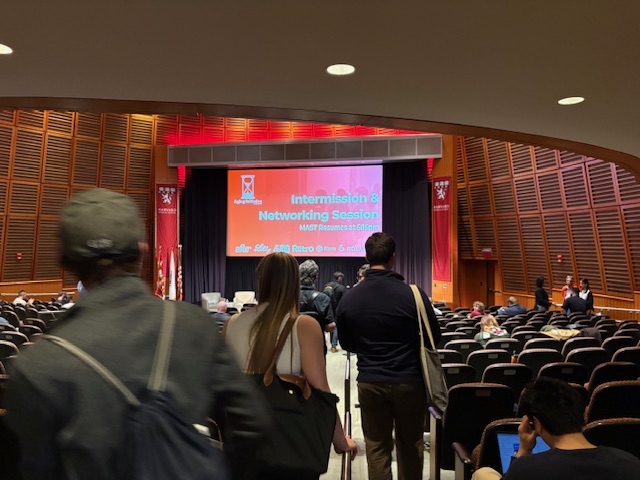
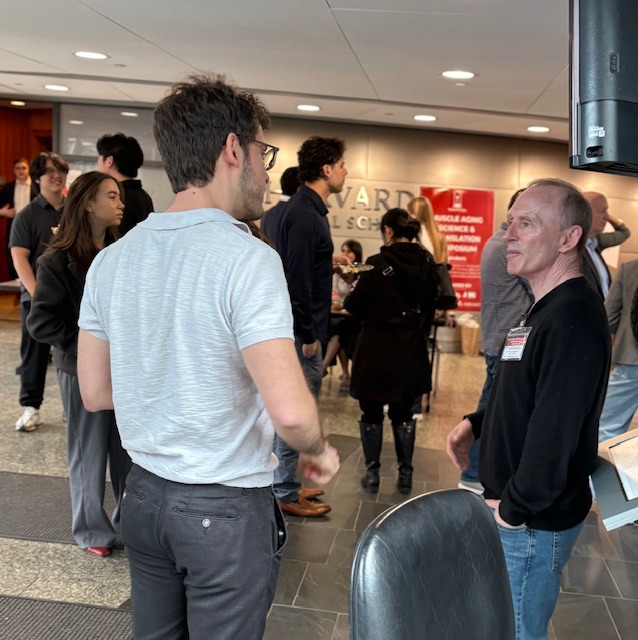
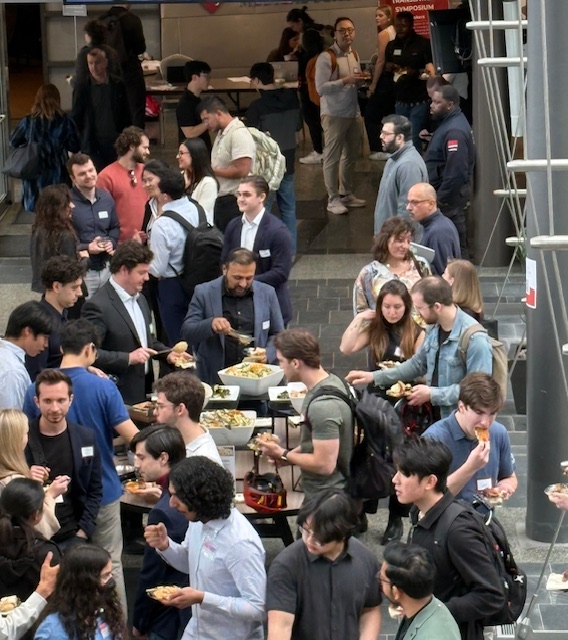
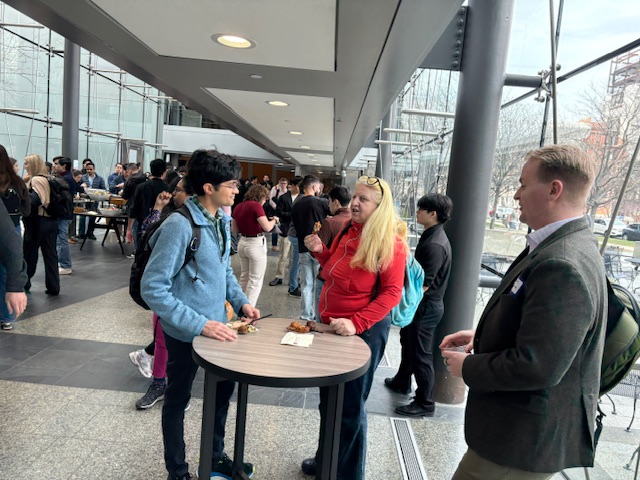
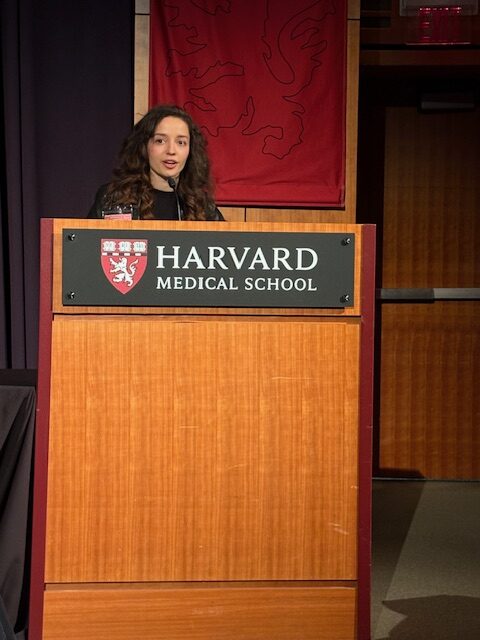
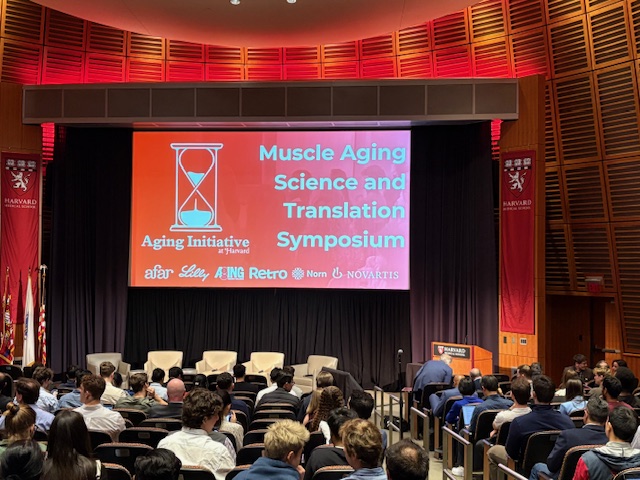
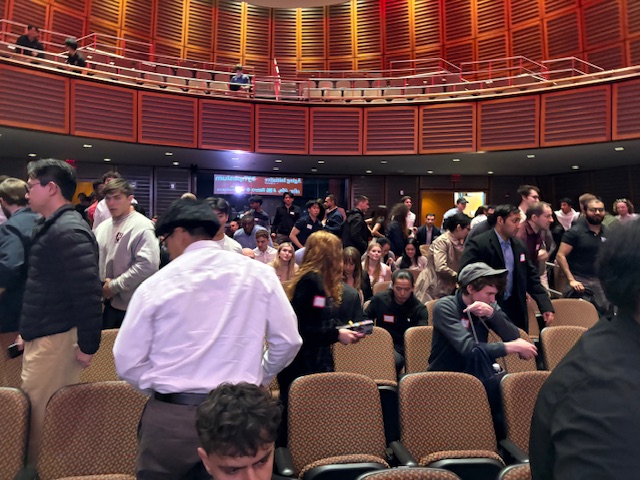
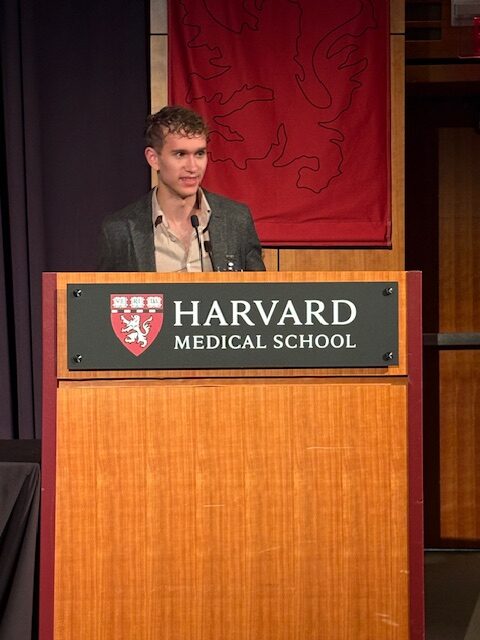
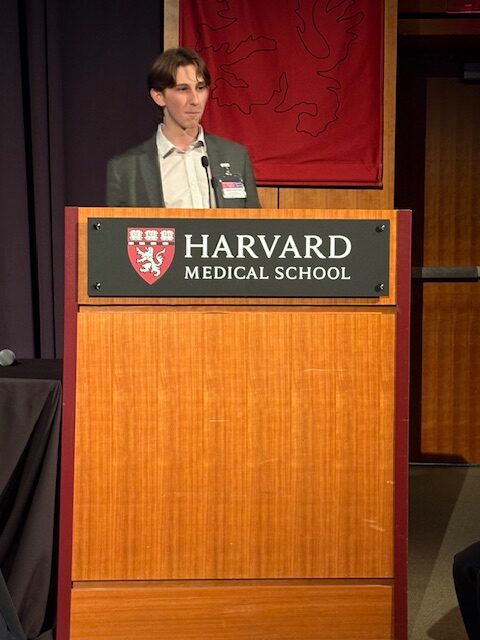
Aging (Aging-US) was proud to sponsor the Muscle Aging Science & Translation (MAST) Symposium, organized by the Aging Initiative at Harvard University on Friday, April 18, 2025.

This important event brought together 350 participants—chosen from more than 1,300 applicants—including students, researchers, company founders, investors, and industry leaders. Together, they explored the latest research and innovations in muscle health and aging. The symposium reflected the journal’s strong commitment to supporting collaboration across fields and advancing research in aging.

-Key Highlights from the MAST Symposium- 

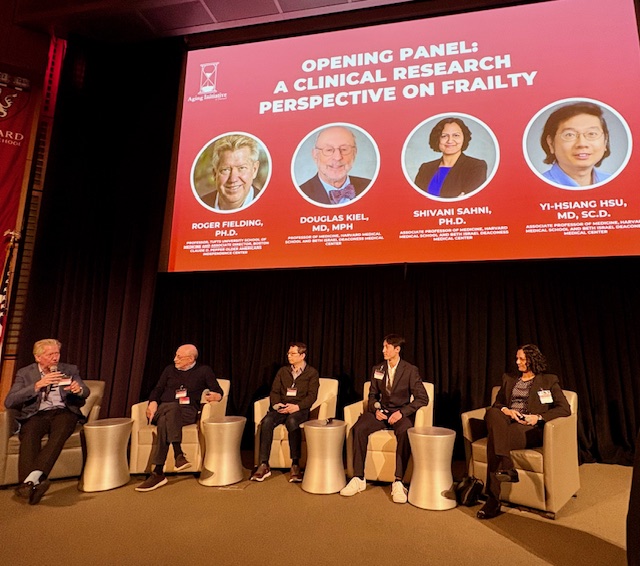
Clinical Research Perspectives on Frailty  

The symposium opened with a strong clinical session led by experts from top institutions: Dr. Roger Fielding (Tufts University and Boston Claude D. Pepper Older Americans Independence Center) and Drs. Douglas Kiel, Shivani Sahni, and Yi-Hsiang Hsu (Harvard Medical School and Beth Israel Deaconess Medical Center).

The panel discussed key topics such as the biology of frailty, how bone and muscle health are connected, and the influence of genetics, diet, and exercise on staying strong as we age. By blending real-life patient care with the latest research, the speakers shed light on the challenges of sarcopenia—the gradual loss of muscle strength and mass that occurs with age—and the new scientific approaches being developed to improve treatment.

Next-Generation Therapeutic Approaches

Lada Nuzhna, founder and CEO of Stealth Newco and director at Impetus Grants, shared her vision for advancing muscle health through innovation. With a strong focus on translational impact, she discussed her interest in developing a comprehensive program that combines various exerkines—exercise-induced signaling molecules—to improve muscle function.

Dr. Francisco Leport, co-founder and CEO of Gordian Biotechnology, introduced a new method for studying treatments for osteoarthritis, a common age-related joint condition that causes pain and stiffness. His approach, called in vivo pooled screening, allows scientists to test millions of potential therapies inside a single animal with the disease. This technique speeds up research and reduces the need for using multiple animals, helping to move from discovery to treatment more quickly.

Biotech and Drug Development for Muscle Aging 

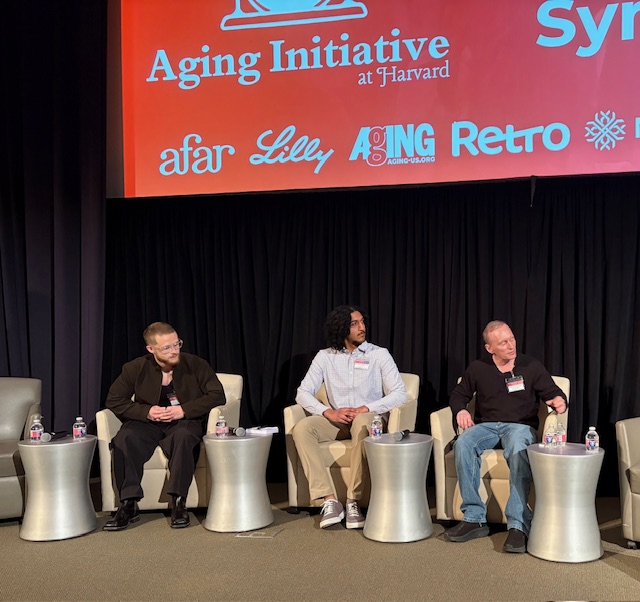
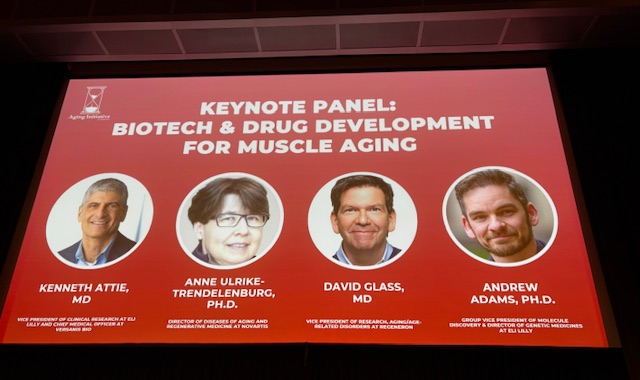
This panel brought together leading voices from Lilly (Dr. Andrew Adams), Novartis (Dr. Anne-Ulrike Trendelenburg), Regeneron (David Glass, MD), and Versanis Bio (Ken Attie, MD). Together, they explored therapeutic strategies focused not just on lifespan extension but on preserving mobility, muscle function, and independence as people age.

The discussion emphasized a human-centric approach to drug development, focusing on targeting mechanisms quickly and efficiently in clinical studies, and the importance of early intervention to achieve larger effect sizes and better long-term outcomes. Panelists also stressed that muscle function matters more than mass and highlighted how older individuals often experience a loss of mitochondrial function, leading to fatigue and reduced stamina—underscoring the need for programs that support mitochondrial health.

The panel further noted that nerve decline may precede muscle decline with age. While there is no definitive data linking cognitive and muscle function, improvements in vascular health through exercise were highlighted as a way to reduce inflammation and support overall health. In addition, they addressed the rise of GLP-1-based therapies, including the public health concern of weight regain following treatment.

Exercise Science for Muscle Longevity

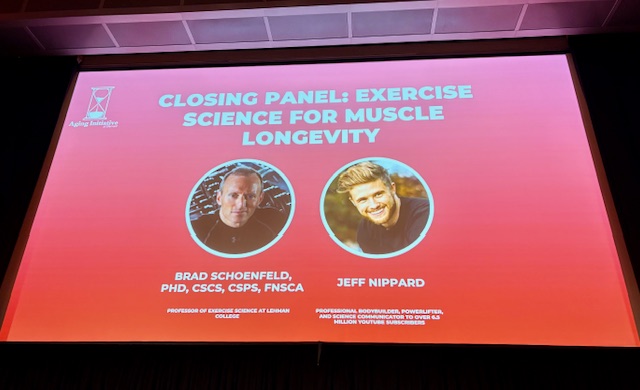
This energizing final session featured Dr. Brad Schoenfeld from Lehman College and Dr. Jeff Nippard, a professional bodybuilder, powerlifter, and science communicator. Together they shared research-backed strategies for preserving muscle health at any age, emphasizing that it is never too late to start training and that even minimal, consistent exercise can significantly boost mobility and independence. They also recommended incorporating power and explosive movements into workouts and emphasized the importance of adequate leucine intake to support muscle health.

Driving Scientific Progress in Muscle and Aging Research

The MAST Symposium, like previous Aging Initiative at Harvard University events, showcased the power of interdisciplinary collaboration, mentorship, and early engagement in driving scientific progress. Aging (Aging-US) is proud to support initiatives that highlight the latest breakthroughs while inspiring younger generations to pursue meaningful careers in aging research.

From innovative drug development to accessible exercise interventions, the MAST Symposium emphasized the urgency and opportunity in addressing muscle aging—a key driver of health and independence in older adults.

____________

Founded in 2008 by visionary scientists—Dr. Mikhail (Misha) BlagosklonnyDr. Judith Campisi, and Dr. David SinclairAging (Aging-US) was created as a platform for publishing innovative and sometimes unconventional ideas in the rapidly evolving field of aging. Supporting events like the MAST Symposium is not just aligned with this mission—it reflects our long-term commitment to advancing aging science and empowering the next generation of researchers.

Click here to subscribe to publication updates.

For media inquiries, please contact [email protected].

FacebookTwitterEmailLinkedInPinterestShare

Breast Cancer Treatment’s Hidden Impact: Accelerated Aging Among Survivors

“Breast cancer (BC) is the most commonly diagnosed cancer among women in the US and worldwide .”

Breast cancer survivors are living longer than ever, thanks to research and medical advances, but new studies suggest that some treatments may come with a hidden cost: accelerated aging. A recent study, titled “Accelerated aging associated with cancer characteristics and treatments among breast cancer survivors,” published in Aging (Aging-US), reveals that breast cancer and its treatments may speed up biological aging, with effects lasting up to a decade post-diagnosis.

Breast Cancer and Aging

Breast cancer is one of the most common cancers among women worldwide. Medical advancements have dramatically improved survival rates, making it one of the most treatable forms of cancer. Yet, many survivors report lasting symptoms like fatigue, memory issues, and reduced vitality that resemble accelerated aging. This pattern has led scientists to investigate whether treatments for breast cancer might be contributing to biological age acceleration.

The Study: Measuring Long-Term Aging in Breast Cancer Patients

Researchers at Vanderbilt University conducted a decade-long study involving 1,264 breast cancer patients and 429 cancer-free women. The research team, led by first author Cong Wang and corresponding author Xiao-Ou Shu, used a tool called Phenotypic Age Acceleration (PAA), which estimates biological age using standard blood test data. Unlike chronological age, biological age reveals how “old” the body functions, offering a clearer picture of a person’s overall health and aging rate. 

The Results: Long-Term Effects of Breast Cancer Treatments on Aging

At diagnosis, breast cancer patients already appeared nearly four years older biologically than their cancer-free counterparts. One year after treatment, they still seemed two years older. Even ten years later, signs of accelerated aging remained.

When it comes to treatments, not all had the same long-term impact on aging. Chemotherapy was linked to the most immediate spike in aging markers, with effects most noticeable in the first year. In contrast, endocrine therapy showed slower, long-term effects, becoming more apparent many years later. Surgery and radiation therapy were associated with lower levels of age acceleration over time, suggesting that localized treatments may carry fewer long-term aging effects than systemic therapies.

Tumor characteristics also influenced aging levels. Women diagnosed with advanced-stage cancer (Stage III or IV) or those with high-grade tumors experienced the most pronounced biological aging. These findings suggest that both the disease itself and the intensity of treatment contribute to how quickly a survivor may age.

The Breakthrough: Simple Blood Tests to Monitor Aging in Breast Cancer Survivors

This study provides valuable insight into how breast cancer and its treatments can impact survivors’ long-term health. One of its most important contributions is highlighting a simple, accessible way to track biological aging, the PAA test. This method is cost-effective, easy to use in regular medical care, and gives clinicians a powerful tool to identify high-risk patients and tailor long-term follow-up strategies.

The Impact: Rethinking Long-Term Breast Cancer Care

The paper offers valuable insights that could reshape how clinicians think about survivorship care. Breast cancer survivors already face increased risks for heart disease, osteoporosis, and cognitive decline. Accelerated aging may be a contributing factor. By identifying these effects early, healthcare providers can develop more personalized support strategies, potentially improving quality of life and long-term health outcomes.

Future Perspectives and Conclusion

The journey does not end with breast cancer remission. This study underscores that cancer and its treatments can leave lasting effects on the body’s aging process. Implementing appropriate strategies—whether medical, lifestyle-based, or a combination of both—may help survivors not only extend their lifespan but also increase their long-term health and quality of life.

Integrating biological age monitoring into routine follow-up care could enable healthcare providers to better understand each survivor’s health trajectory. For all the women navigating life after breast cancer, such information could translate into not just more years, but better years.

Click here to read the full research paper in Aging.

___

Aging is indexed by PubMed/Medline (abbreviated as “Aging (Albany NY)”), PubMed CentralWeb of Science: Science Citation Index Expanded (abbreviated as “Aging‐US” and listed in the Cell Biology and Geriatrics & Gerontology categories), Scopus (abbreviated as “Aging” and listed in the Cell Biology and Aging categories), Biological Abstracts, BIOSIS Previews, EMBASE, META (Chan Zuckerberg Initiative) (2018-2022), and Dimensions (Digital Science).

Click here to subscribe to Aging publication updates.

For media inquiries, please contact [email protected].
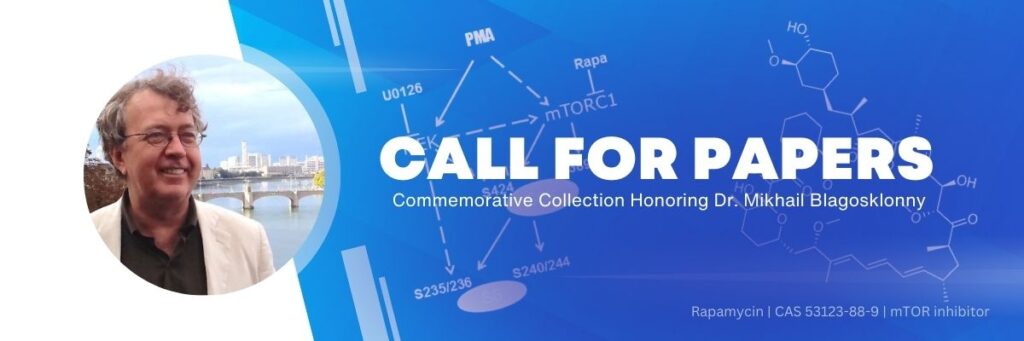
Call for Papers: Special Collection Honoring Dr. Mikhail (Misha) Blagosklonny

Dr. Mikhail Blagosklonny

“This special collection will explore key themes central to Dr. Blagosklonny’s scientific contributions, with a focus on mechanistic insights, translational approaches, and theoretical perspectives.”

BUFFALO, NY — April 3, 2025 — Aging (Aging-US) is pleased to announce a special Call for Papers for a commemorative collection honoring the legacy of Dr. Mikhail (Misha) Blagosklonny, the founding editor of the journal and a pioneer in aging biology. His groundbreaking work shaped fundamental concepts in the field, particularly regarding the role of mTOR in aging and cancer, the use of rapamycin, bypassing senescence during the process of transformation, personalized medicine, and theories on why we age.

This special collection will explore key themes central to Dr. Blagosklonny’s scientific contributions, with a focus on mechanistic insights, translational approaches, and theoretical perspectives. We invite original research, reviews, and perspective articles covering topics such as:

  • The role of mTOR in aging and age-related diseases
  • Rapamycin and other pharmacological strategies to extend lifespan
  • Senescence bypass and its implications for cancer and regenerative medicine
  • Personalized medicine approaches in aging and longevity research
  • Theoretical models and evolutionary perspectives on aging

The special issue will be guest-edited by leading scientist in the field, David Gems, who will oversee the selection of high-quality contributions that reflect the depth and impact of Dr. Blagosklonny’s work.

We encourage researchers working on these topics to submit their manuscripts and contribute to this tribute to one of the most influential figures in aging research.

SUBMISSION DETAILS:

We look forward to your contributions to this special issue and to honoring Dr. Blagosklonny’s enduring impact on the field of aging research.

________

Please visit our website at www.Aging-US.com​​ and connect with us:

Click here to subscribe to Aging publication updates.

For media inquiries, please contact [email protected].
Senolytic Compounds Show Promise in Targeted Alzheimer’s Treatments

“Cellular senescence is a hallmark of aging and the age-related condition, Alzheimer’s disease (AD).”

Could a class of drugs that clear aging cells also help treat Alzheimer’s disease? A recent study, featured as the cover for Aging (Volume 17, Issue 3), titled “Differential senolytic inhibition of normal versus Aβ-associated cholinesterases: implications in aging and Alzheimer’s disease,” suggests they might—and with remarkable precision.

Understanding Alzheimer’s Disease

Alzheimer’s disease is a progressive neurological disorder that gradually steals memory, independence, and a person’s sense of identity. A defining feature of Alzheimer’s is the buildup of amyloid-β (Aβ) plaques—sticky protein clumps that interfere with communication between brain cells. This disruption is closely linked to changes in a group of enzymes called cholinesterases, especially acetylcholinesterase (AChE) and butyrylcholinesterase (BChE). These enzymes normally play a vital role in regulating neurotransmitters critical for memory, learning, and cognitive function. In Alzheimer’s, however, their behavior changes significantly, particularly when they interact with Aβ plaques.

The Study: Exploring Senolytics for Alzheimer’s Enzyme Inhibition

A research team from Dalhousie University in Canada looked into whether senolytic compounds—a class of drugs that eliminate damaged, aging cells often referred to as “zombie” cells—could also target the harmful forms of cholinesterase enzymes found in Alzheimer’s disease. Their goal was to see if these compounds could selectively inhibit the disease-associated versions of AChE and BChE, without affecting the healthy forms that are essential for normal brain function.

Led by Dr. Sultan Darvesh, the study tested six compounds: five senolytics—dasatinib, nintedanib, fisetin, quercetin, and GW2580—and one nootropic, meclofenoxate hydrochloride, known for its memory-enhancing potential. The researchers used post-mortem brain tissue from Alzheimer’s patients, enzyme activity assays, and computer modeling to examine how these compounds interact with the enzymes.

The Challenge: Targeting the Right Enzymes

One of the limitations of current Alzheimer’s treatments is that they do not distinguish between the normal and the altered forms of cholinesterases. While these drugs can raise levels of the memory-related chemical acetylcholine and improve cognitive function, they often come with side effects due to their broad activity. A more precise approach—targeting only the versions of AChE and BChE tied to Aβ plaques—could offer better outcomes with fewer drawbacks.

The Results: Senolytics Show Precision in Enzyme Targeting

The results were promising. Some of the senolytics tested, like dasatinib and nintedanib, effectively blocked the cholinesterases attached to Aβ plaques without affecting the normal versions of these enzymes in healthy brain tissue. Meclofenoxate also showed strong activity against the disease-associated forms. Interestingly, this selectivity was linked to how these compounds bind to the enzymes. Instead of locking onto the main active site, many of them attached to alternative regions, known as allosteric sites, which are only altered in the plaque-associated forms. This type of binding allowed the compounds to distinguish between harmful and healthy enzymes.

The Breakthrough: Targeting the Disease, Preserving the Brain

This study is the first to show that certain senolytic and cognitive-enhancing drugs can selectively inhibit the dysfunctional versions of cholinesterases found in Alzheimer’s without affecting their normal forms. This level of precision could mark a major step forward in Alzheimer’s therapy.

The Impact: A Dual-Action Path to Treating Alzheimer’s

By focusing on only the problematic forms of AChE and BChE, this approach could lead to Alzheimer’s treatments that better preserve cognitive function while avoiding side effects. The research also bridges two important areas of study: aging and neurodegeneration. It suggests that drugs developed to slow aging might also be used as targeted treatments for Alzheimer’s, offering a two-in-one therapeutic advantage. 

Future Perspectives and Conclusion

Although more research is needed, especially in living models and clinical trials, the potential of the findings is encouraging. They lead the way for a new generation of Alzheimer’s treatments that are more targeted and safer.

By understanding better how aging and brain disease intersect at the cellular level, scientists may be moving closer to developing more effective and personalized approaches to combat Alzheimer’s.

Click here to read the full research paper in Aging.

___

Aging is indexed by PubMed/Medline (abbreviated as “Aging (Albany NY)”), PubMed CentralWeb of Science: Science Citation Index Expanded (abbreviated as “Aging‐US” and listed in the Cell Biology and Geriatrics & Gerontology categories), Scopus (abbreviated as “Aging” and listed in the Cell Biology and Aging categories), Biological Abstracts, BIOSIS Previews, EMBASE, META (Chan Zuckerberg Initiative) (2018-2022), and Dimensions (Digital Science).

Click here to subscribe to Aging publication updates.

For media inquiries, please contact [email protected].
How Environmental Chemicals May Accelerate Biological Aging

“Epigenetic clocks can serve as pivotal biomarkers linking environmental exposures with biological aging.”

Could the air we breathe, the food we eat, or the chemicals in our everyday environment be accelerating our aging process? A recent study published in Aging suggests that exposure to certain environmental chemicals may be linked to faster biological aging through changes in DNA. These findings could have major implications for public health and longevity.

Understanding How Scientists Measure Aging at the DNA Level

Aging is not just about wrinkles and gray hair—it happens at the molecular level too. Scientists use epigenetic clocks to measure biological aging, which can differ from a person’s actual chronological age. These clocks track DNA methylation, a type of chemical modification that can change over time due to environmental factors like diet, pollution, and chemical exposure. Until now, there has been little research into how widespread environmental chemicals impact these aging markers. 

The Study: Investigating the Impact of Environmental Pollutants on Aging

A research team led by first author Dennis Khodasevich and corresponding author Andres Cardenas from Stanford University, conducted an exposome-wide association study to examine how different environmental pollutants affect epigenetic aging. Using data from the National Health and Nutrition Examination Survey (NHANES), they analyzed blood and urine samples from 2,346 adults aged 50 to 84. The study measured 64 environmental chemicals, including heavy metals, pesticides, plastics, and tobacco-related compounds, to identify potential links to accelerated aging. The study titled “Exposome-wide association study of environmental chemical exposures and epigenetic aging in the national health and nutrition examination survey,” was published in Aging on February 11, 2025.

The Challenge: Unraveling the Complex Relationship Between Toxins and Aging

For years, scientists suspected that environmental toxins might contribute to aging, but most studies focused on a small set of chemicals. This work took a broader and more systematic approach to analyze a wide range of pollutants that people are commonly exposed to. The goal was to uncover previously unknown connections between chemical exposure and biological aging at the genetic level.

The Results: Environmental Chemicals That Speed Up Aging

The study identified several chemicals that were significantly associated with epigenetic age acceleration. One of the most concerning findings was the impact of cadmium, a toxic heavy metal found in cigarette smoke, industrial pollution, and some foods. Higher levels of cadmium in the blood were linked to faster aging across multiple epigenetic clocks.

Another key finding was the role of cotinine, a biomarker of tobacco exposure. People with higher levels of cotinine in their system showed signs of accelerated DNA aging, reinforcing the long-known link between smoking and premature aging.

The study also found that lead and dioxins, commonly found in industrial pollutants and certain processed foods, might contribute to biological aging. Interestingly, some pollutants, like certain polychlorinated biphenyls (PCBs), were associated with slower aging, though the health effects of these compounds remain unclear.

The Breakthrough: Why Cadmium and Smoking Are Major Aging Accelerators

This research highlights cadmium as a major environmental driver of aging. Since cadmium exposure comes from both smoking and diet, reducing it could be a key anti-aging strategy. The findings also provide further evidence that smoking is one of the most significant factors influencing epigenetic aging.

Reducing exposure to cigarette smoke, polluted air, and contaminated foods could help slow down DNA aging and potentially increase lifespan.

The Impact: How These Findings Can Influence Health Policies and Personal Choices

The results of this study could lead to stronger environmental regulations on heavy metals and toxic pollutants. Policymakers may push for stricter air quality standards, better food safety regulations, and more public health initiatives to reduce exposure to aging-accelerating chemicals.

For individuals, this research reinforces the importance of reducing exposure to toxins. Avoiding cigarette smoke, choosing organic and non-processed foods, and being mindful of products containing chemicals could help protect DNA health and promote longevity. 

Future Perspectives and Conclusion

While this study provides strong evidence that environmental toxins influence aging, further research is needed to determine whether reducing exposure can slow down or even reverse epigenetic aging. Future studies could focus on younger populations and examine how lifestyle changes interact with these environmental exposures.

For now, taking steps to avoid cigarette smoke, limit exposure to heavy metals, and maintain a clean diet could be practical ways to protect long-term health and slow down biological aging.

By understanding how environmental pollutants impact aging, individuals and policymakers can make informed decisions that promote a longer, healthier life.

Click here to read the full research paper in Aging.

___

Aging is indexed by PubMed/Medline (abbreviated as “Aging (Albany NY)”), PubMed CentralWeb of Science: Science Citation Index Expanded (abbreviated as “Aging‐US” and listed in the Cell Biology and Geriatrics & Gerontology categories), Scopus (abbreviated as “Aging” and listed in the Cell Biology and Aging categories), Biological Abstracts, BIOSIS Previews, EMBASE, META (Chan Zuckerberg Initiative) (2018-2022), and Dimensions (Digital Science).

Click here to subscribe to Aging publication updates.

For media inquiries, please contact [email protected].
  • Follow Us